
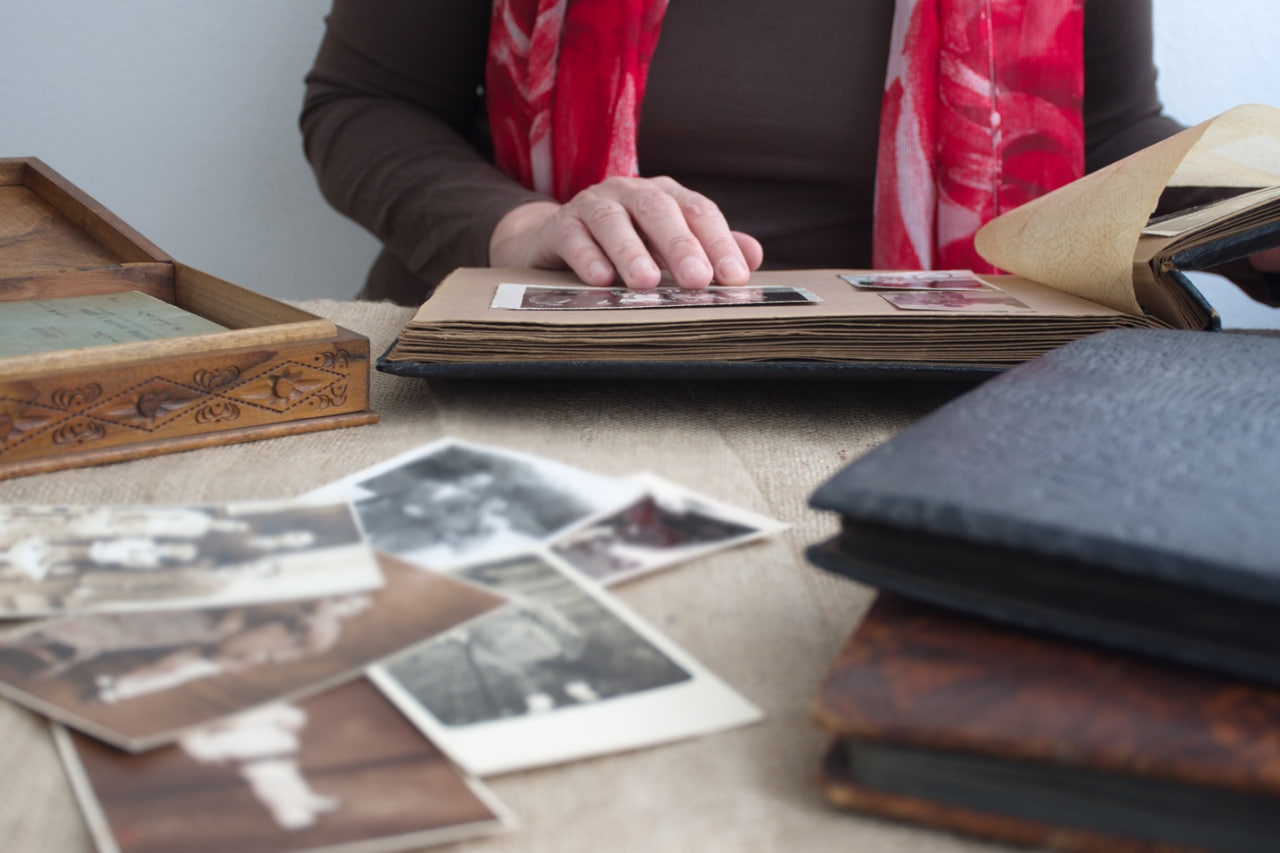
Memory Preservation & Storytelling
Scrapbooking is far more than cutting and pasting photographs onto decorative paper. It is an act of storytelling, a way to preserve the essence of our lives in a physical form that can be touched, shared, and revisited. Every image, word, and texture serves a purpose — to capture moments that shape who we are. Memory preservation and storytelling in scrapbooking allow us to move beyond simple documentation and into the realm of emotion and connection.
The Power of Memory Preservation
Memories are fragile. Over time, they blur, shift, and fade as new experiences take their place. Scrapbooking helps protect these fleeting fragments by giving them a tangible home. A photo album can hold thousands of digital images, but a scrapbook turns select moments into lasting tributes. The process of choosing, arranging, and decorating is itself a way of revisiting those memories with care and gratitude.
Physical preservation also has practical benefits. Archival-quality paper, adhesives, and protective sleeves shield photos from deterioration. Writing down names, dates, and stories ensures that future generations will know the significance behind each image. While technology changes, a well-made scrapbook remains timeless — a piece of personal history that doesn’t rely on screens or passwords.
The Art of Storytelling Through Design
Storytelling is the heart of every scrapbook. Each page should not only display pictures but also guide the viewer through a meaningful narrative. The key lies in visual storytelling — how the layout, colors, and embellishments work together to evoke the emotions behind the memories.
Start by defining the focus of your story. Is it about a single event, a relationship, or a time in your life? Once you know what you want to express, choose photos and materials that support that message. Warm colors might express joy and nostalgia, while cool tones convey calm or reflection. Design elements like frames, textures, and patterns can help reinforce the story’s mood.
Sequencing is another powerful tool. Placing images in chronological or thematic order gives structure to your narrative. A layout can mirror the passage of time, a journey, or even emotional growth. By guiding the viewer’s eye intentionally, you make the story easy to follow and deeply engaging.
Combining Visual and Written Elements
A scrapbook becomes truly meaningful when words and visuals work together. Photos capture what we see; journaling expresses what we feel. The written word turns images into experiences, adding context that might otherwise be forgotten.
There are many ways to incorporate text into a layout. You can write directly on the page, create printed captions, or include handwritten notes on tags and cards. Combining fonts and handwriting styles can bring personality and warmth. The content doesn’t have to be long — sometimes a single sentence or quote says more than a full paragraph.
Think of journaling as dialogue between your past and future self. You might describe the atmosphere of a moment, the sound of laughter, or the emotions you felt. These details make your scrapbook a window into your life that others can understand and connect with.
Emotional Layers in Scrapbooking
Scrapbooks are emotional artifacts. They hold more than images — they hold memories, energy, and meaning. Incorporating emotion intentionally into your designs turns a scrapbook from a simple project into a form of art.
Textures play a major role in evoking feeling. Soft fabrics, torn paper edges, or subtle embossing can reflect tenderness and nostalgia. A clean, minimalist layout might express serenity or loss, while vibrant, layered pages can represent joy and abundance.
Colors, too, have emotional language. Yellow conveys happiness and optimism, blue suggests calm and reflection, and red brings passion or energy. Learning how to use color to mirror emotion helps your pages communicate on a deeper, almost subconscious level.
Preserving Family Heritage
One of the most rewarding aspects of scrapbooking is its ability to preserve family heritage. Generations of stories, traditions, and faces can be recorded in creative form. Family albums allow people to see where they come from, strengthening identity and connection.
To create a heritage scrapbook, start by collecting old photographs, letters, and keepsakes. Handle them with care and, when possible, make digital copies for preservation. Write down stories shared by relatives and record family traditions, milestones, and origins. These small details may seem ordinary now but will become treasures to future generations.
Using vintage materials or muted tones can help maintain a classic, timeless look for heritage projects. Including family trees, maps, and documents adds historical context and depth to your layouts. In this way, scrapbooking becomes a bridge between the past and the present, keeping loved ones’ legacies alive.
The Role of Photography in Storytelling
Photography is the foundation of modern scrapbooking, but not all photos are created equal. Choosing the right images is essential for crafting a compelling story. Rather than filling pages with dozens of similar photos, select the ones that carry the most meaning.
Every photo should have a purpose — it should illustrate a key part of the story or evoke a specific feeling. Candid shots often capture emotion more effectively than posed ones. Consider including detail photos, such as hands holding, a shared meal, or an object that represents a memory. These smaller moments can say as much as grand events.
Editing photos before printing can also enhance storytelling. Cropping, adjusting lighting, or converting to black-and-white can help unify the tone of your project. Combining close-ups with wider shots creates a rhythm that guides the viewer through your narrative visually.
Creative Techniques for Storytelling
Storytelling in scrapbooking doesn’t have to follow a single formula. There are countless creative approaches to express your memories uniquely. One method is thematic storytelling, where you dedicate an entire album or series of pages to a central idea, such as “Journeys,” “Seasons,” or “The People I Love.” This approach helps connect different memories under a shared theme.
Another powerful technique is symbolic storytelling. You can use recurring symbols, motifs, or colors to represent emotions or ideas. A recurring heart shape could represent love, while travel-themed embellishments might signify adventure and growth.
Layering different materials also adds depth to your narrative. Overlapping photos with transparent vellum, stamping meaningful words, or inserting hidden notes allows for discovery — much like uncovering layers of memory itself.
Preserving the Details
Small details often hold the greatest significance. A ticket stub, a pressed flower, or a handwritten note can bring a story to life in a way that photos alone cannot. These details act as tangible links to the past, carrying the textures, scents, and sensations of a moment.
When adding such keepsakes, ensure they are preserved safely. Use acid-free pockets, envelopes, or protective covers to prevent damage. Document what each item represents — who gave it to you, where it came from, and why it matters. These annotations transform small mementos into powerful pieces of storytelling.
Creating a Sense of Continuity
A scrapbook is not just a collection of pages — it’s a flowing story. Creating a sense of continuity ensures that your album feels cohesive and intentional. Repeating color schemes, design motifs, or recurring fonts throughout helps unify your pages.
Chronological storytelling works well for documenting life stages such as childhood, marriage, or travel. However, non-linear storytelling can be equally impactful. Grouping moments by emotion or theme — joy, love, discovery — allows you to focus on the feeling rather than the timeline. This approach gives creative freedom and adds emotional resonance.
Storytelling Across Generations
Scrapbooking has the unique power to connect generations through shared stories. Involving family members in the process can bring new perspectives and memories to light. Children can contribute drawings or captions, while elders can share recollections that add richness to the narrative.
Passing down completed albums creates a legacy of storytelling. Future generations can see not only their ancestors’ faces but also their handwriting, artistic style, and emotional world. Each scrapbook becomes a voice from the past that continues to speak through time.
The Therapeutic Side of Storytelling
Preserving memories is not only about documentation — it’s also about healing and reflection. Creating a scrapbook can be a therapeutic process, helping people process emotions, celebrate milestones, or honor those they’ve lost. The act of selecting photos, arranging layouts, and writing words allows for introspection and emotional release.
Through storytelling, individuals can find meaning in their experiences and transform pain into beauty. A memory book dedicated to recovery, growth, or gratitude can serve as a visual diary of resilience. Every page becomes a quiet affirmation that life’s moments, both joyful and difficult, are worth remembering.
The Living Story of Creativity
A scrapbook is never truly finished. New memories continue to form, and your storytelling evolves as you do. The process of preserving memories is ongoing — a living art form that grows with time. As you continue to create, you’ll find that each scrapbook not only tells the story of your life but also reflects your artistic journey and personal growth.
Through memory preservation and storytelling, scrapbooking transforms fleeting moments into lasting legacies. Each page becomes a window into emotion, history, and identity — proof that even the smallest memory can become an enduring story worth telling.